
Heightened Senses: A Guide to Quality Cannabis
When it comes to being an educated and responsible consumer of cannabis, we know there is a lot to learn - and we’re here to help! Being able to inspect and identify quality bud means you will be able to tell the difference between top-shelf bud and low-grade flower. Use this guide to evaluate essential aspects and quality of flower to help make the most of your cannabis experience. Through sight, smell, touch, taste and feel, get more in-tune with your senses to better understand the details that high-quality cannabis brings. Follow this 4 part series Heightened Senses, exploring how to use your senses to help you identify quality bud.
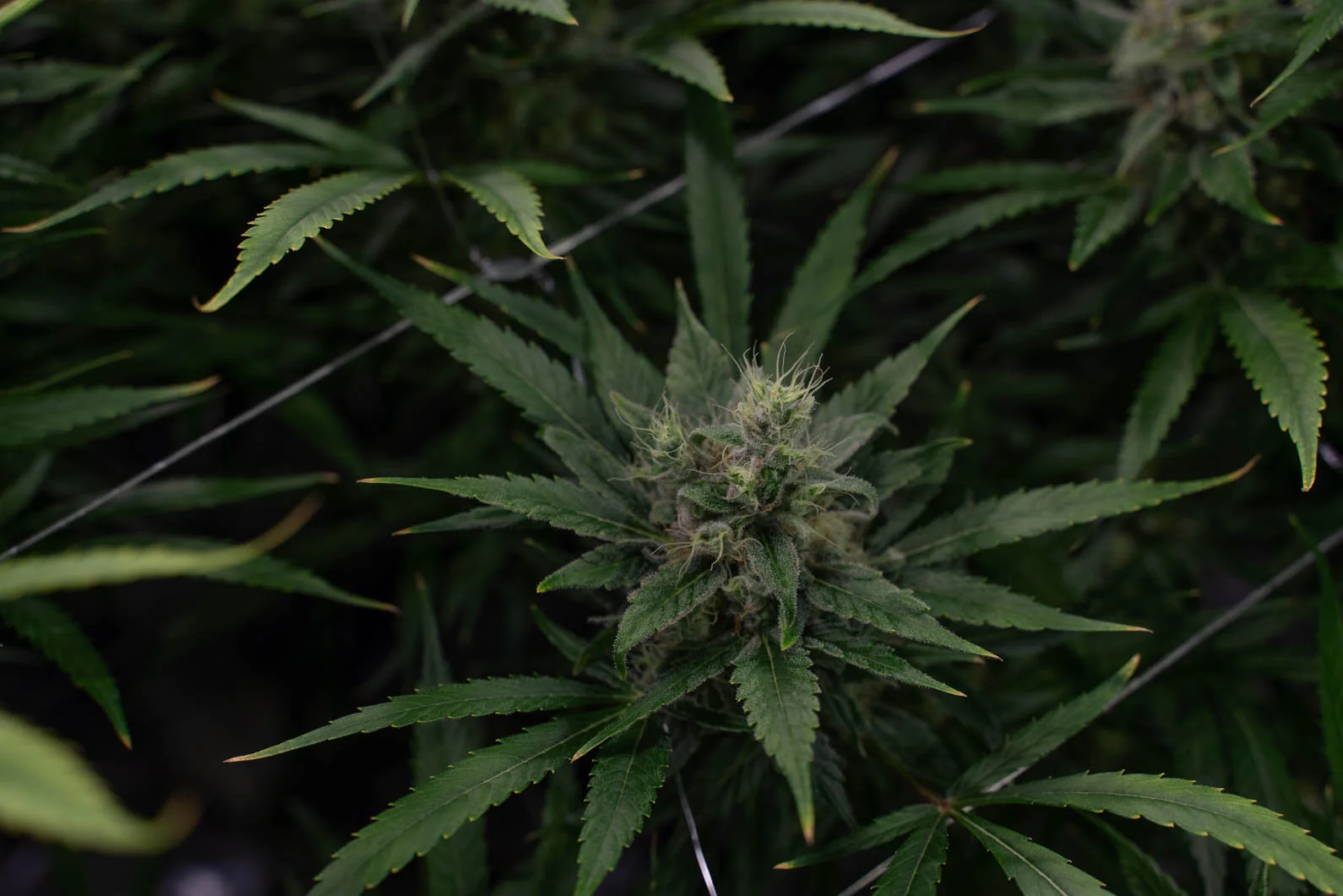
PART 1: SIGH
T
When evaluating what bud to purchase, many times sight is the only sense you can rely on - that's why it’s important to know what to look for. Visual cues that are key in identifying high quality cannabis include colour, size and shape, trichome content, and trim.
Colour
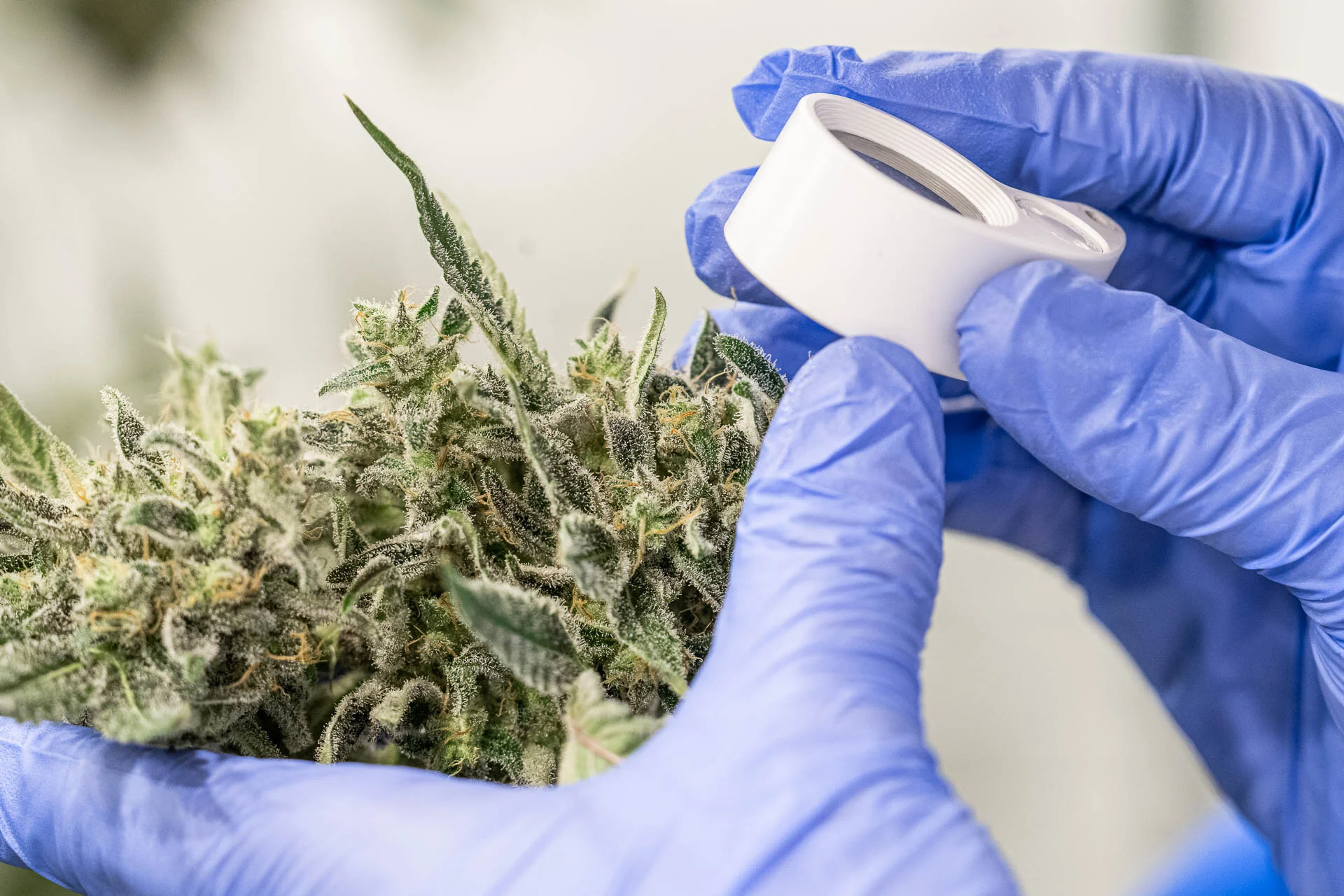
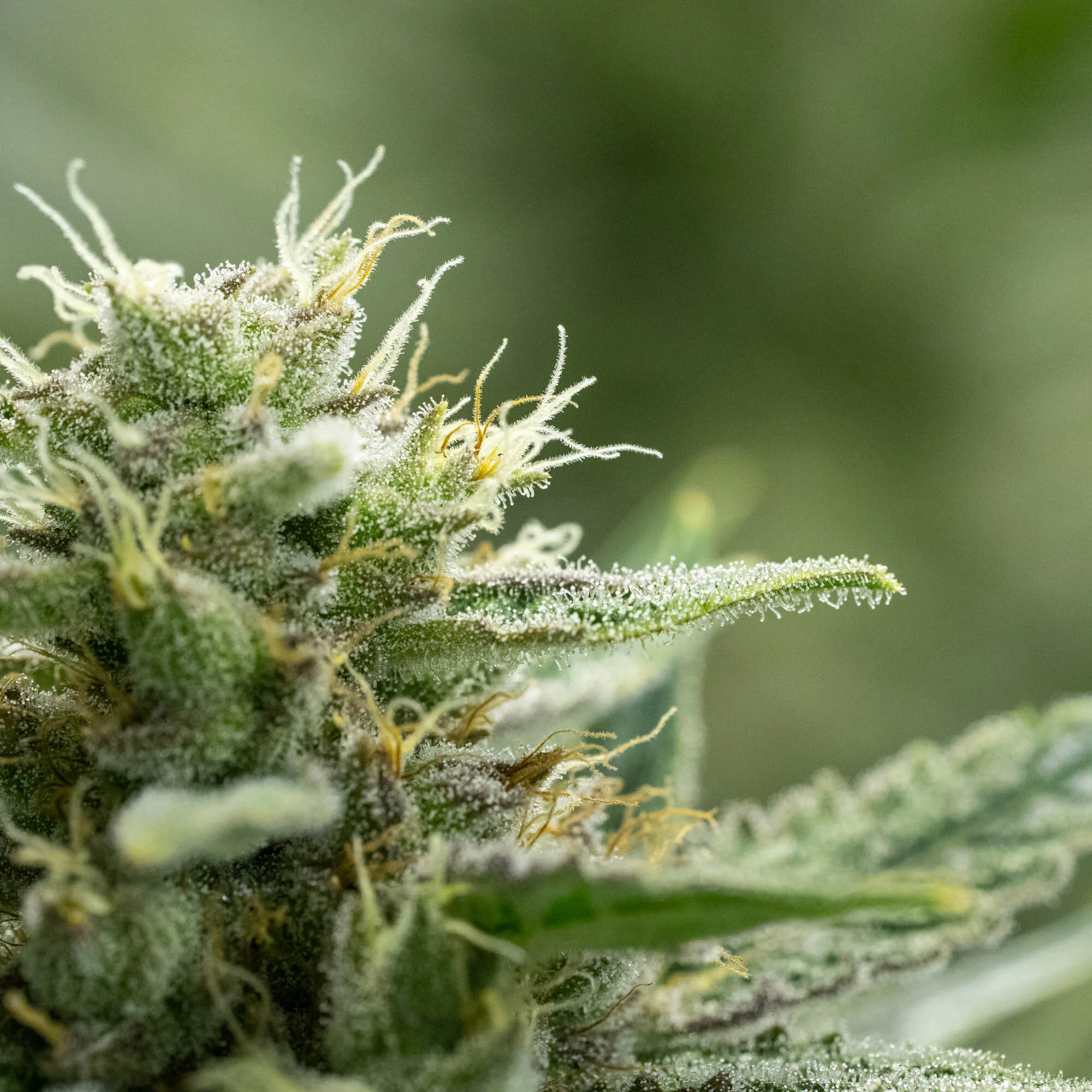
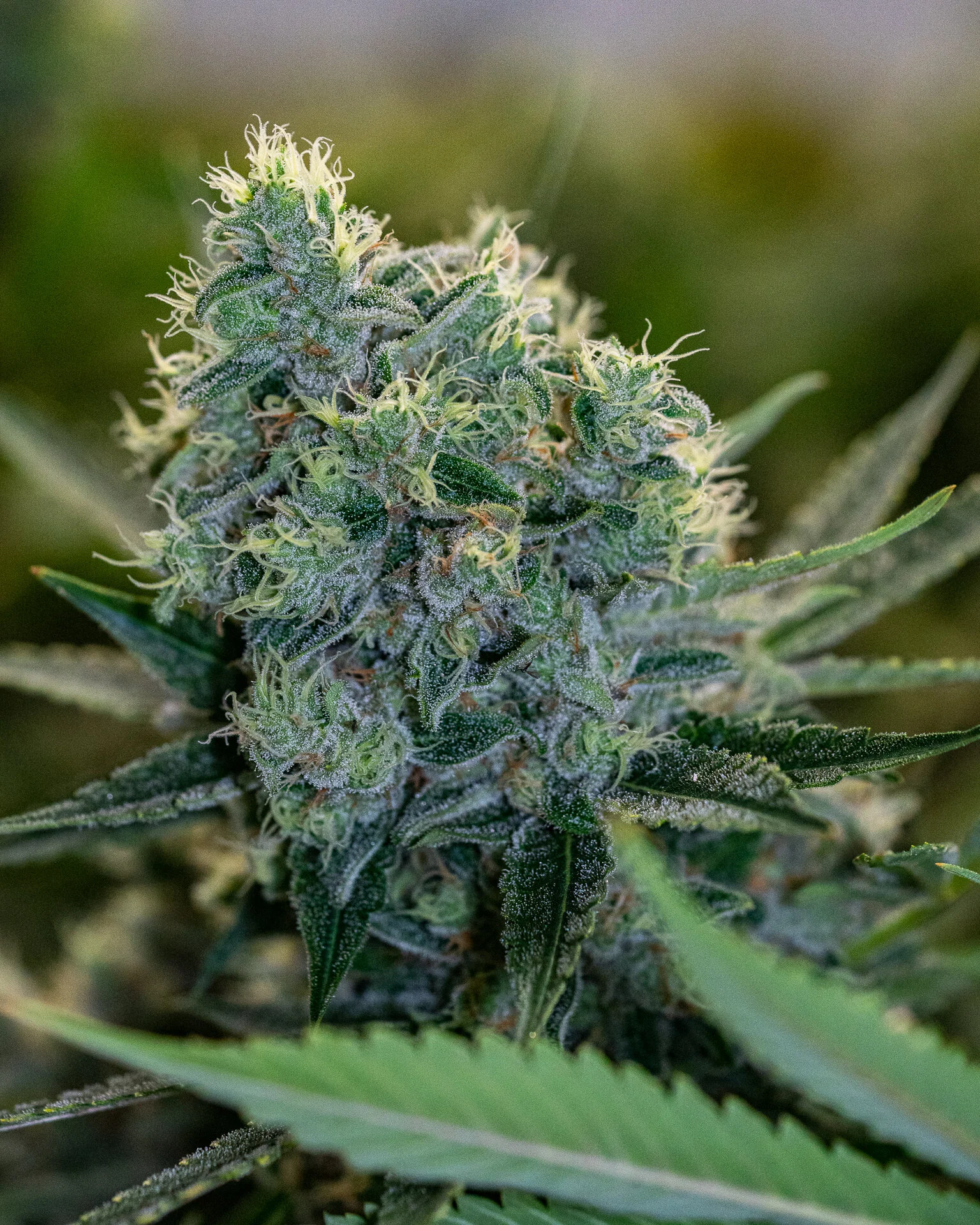
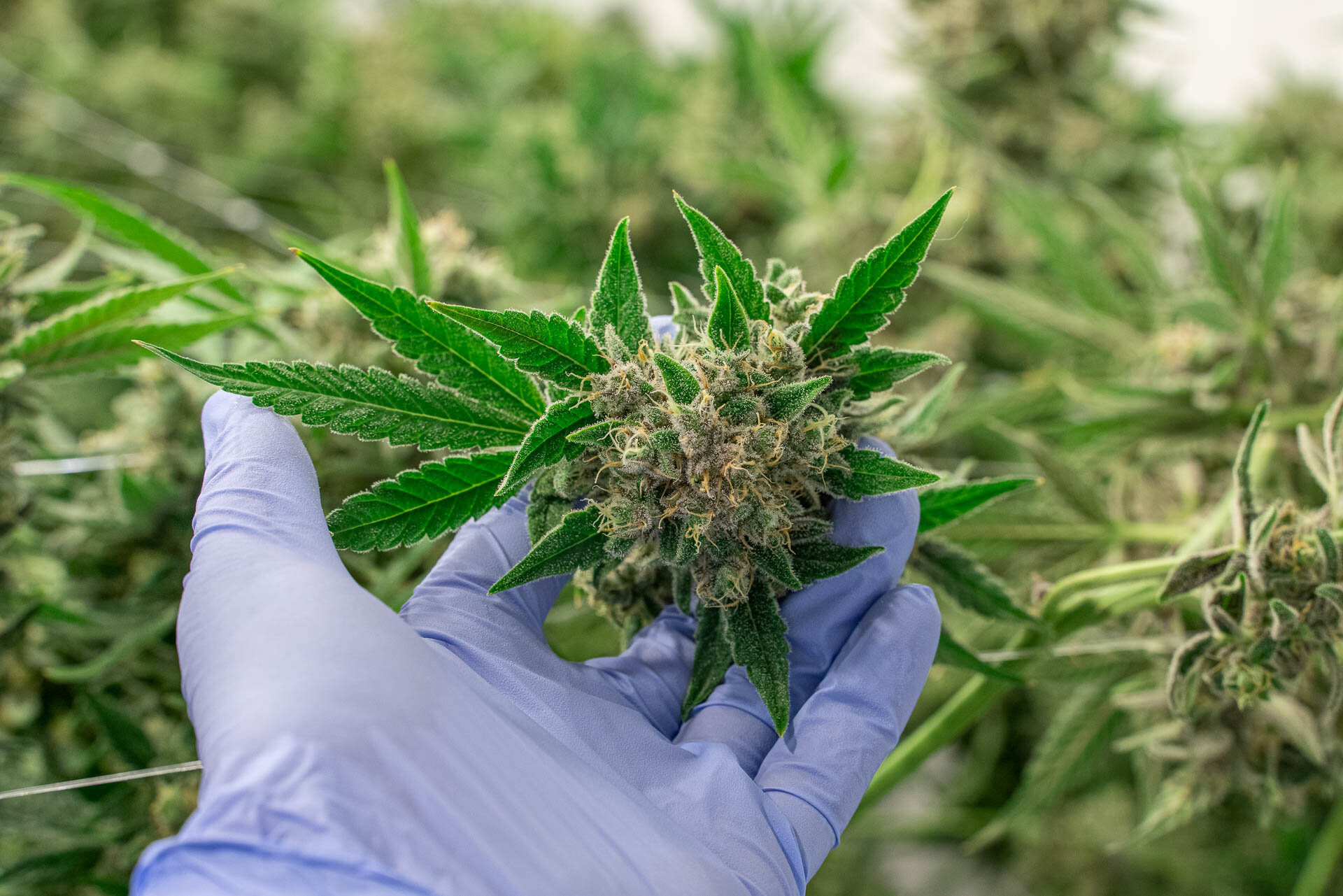
Quality cannabis should be generally green in colour, not brown, however, there are thousands of different unique cannabis strains and each one has its own natural hues. Healthy, vibrant shades can range from lighter, frosty greens to darker, forest greens, with undertones that range from purple to orange to yellow.
Size & Shape
Size and shape do not necessarily matter - but who doesn’t like a nice nug in their fresh stash? With the flower characteristics and structure of each plant being different, it is difficult to determine quality purely from size, shape and density. As long as your buds aren’t thin and overtaken by stems, size isn’t a big deal.
Trichome Content
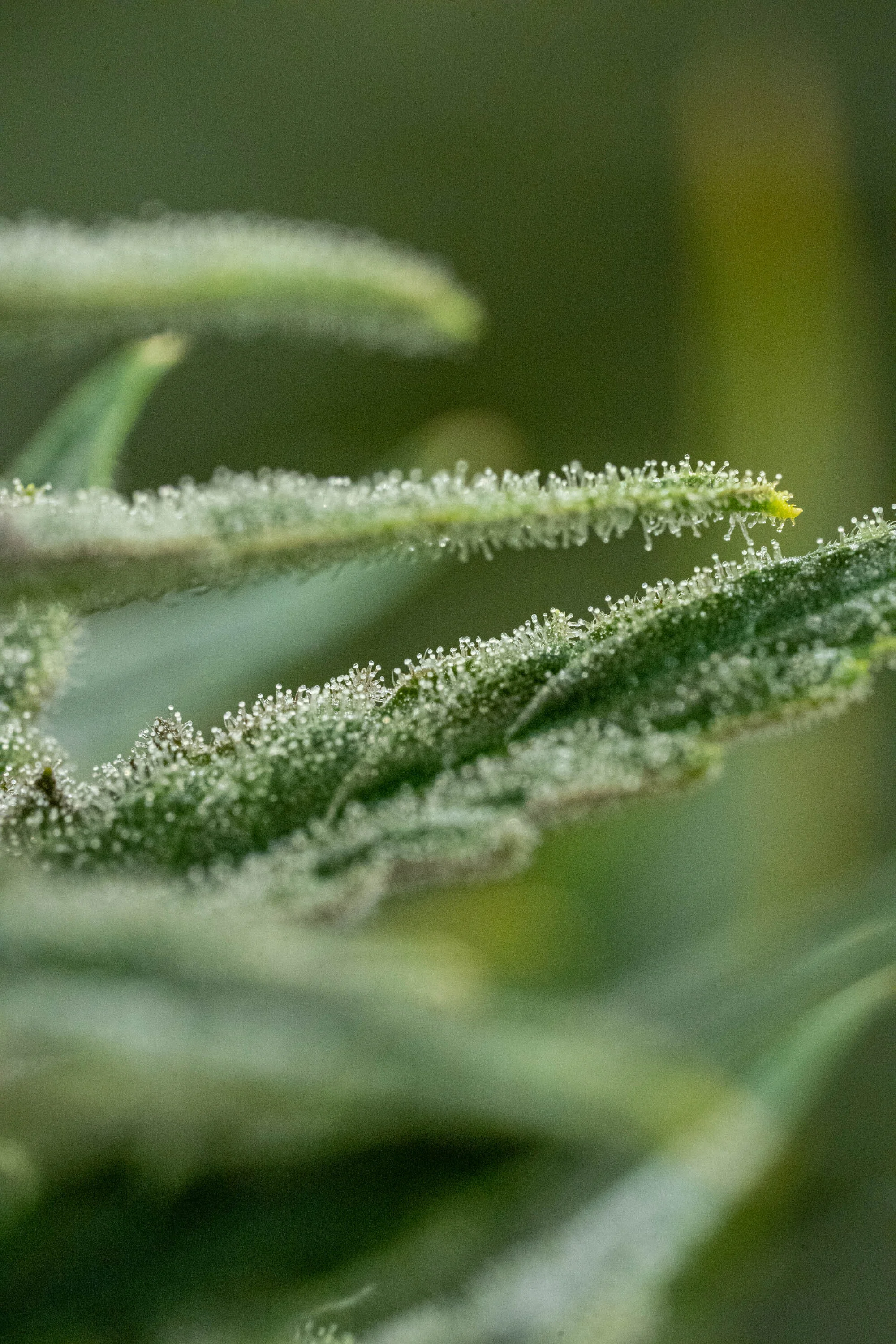
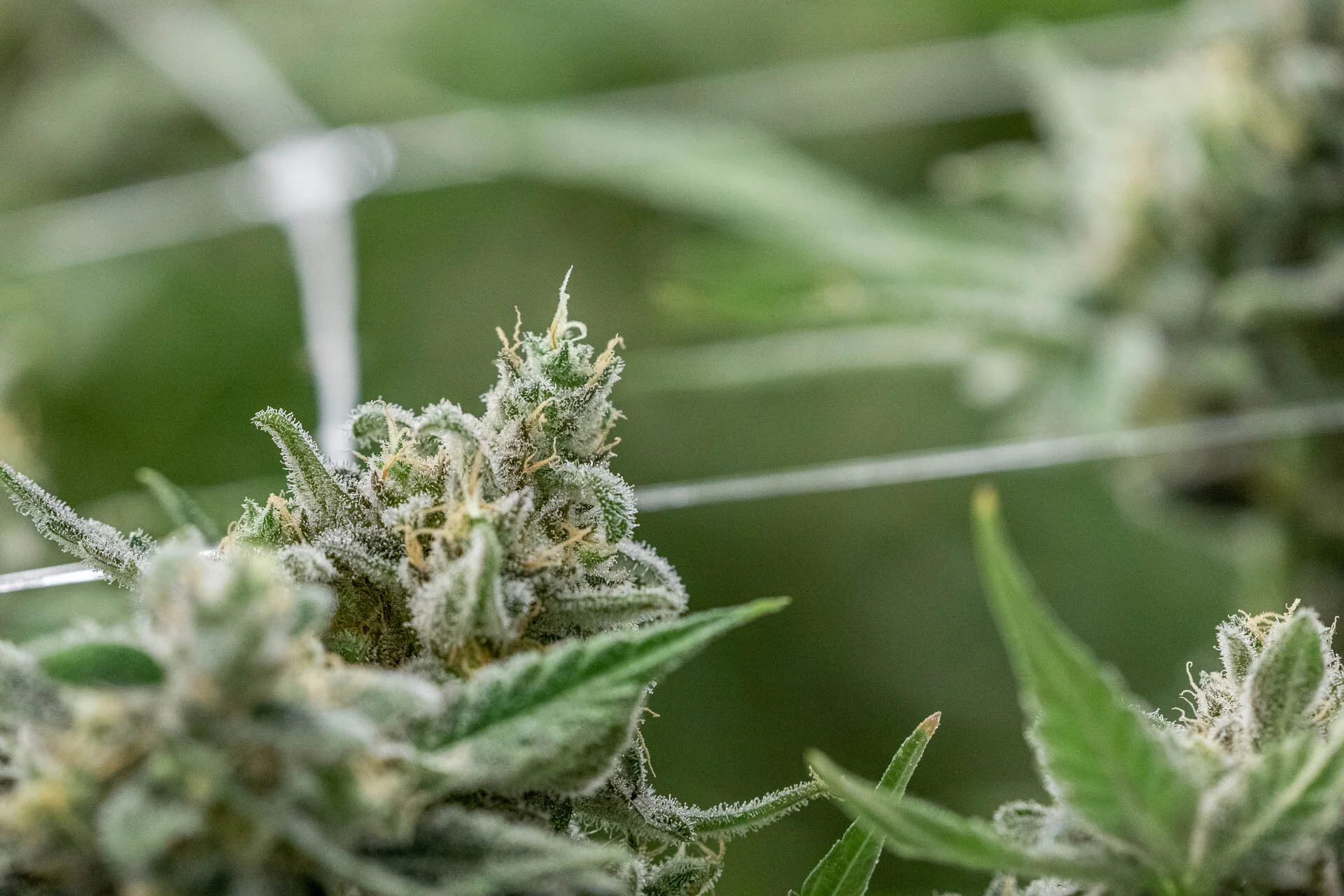
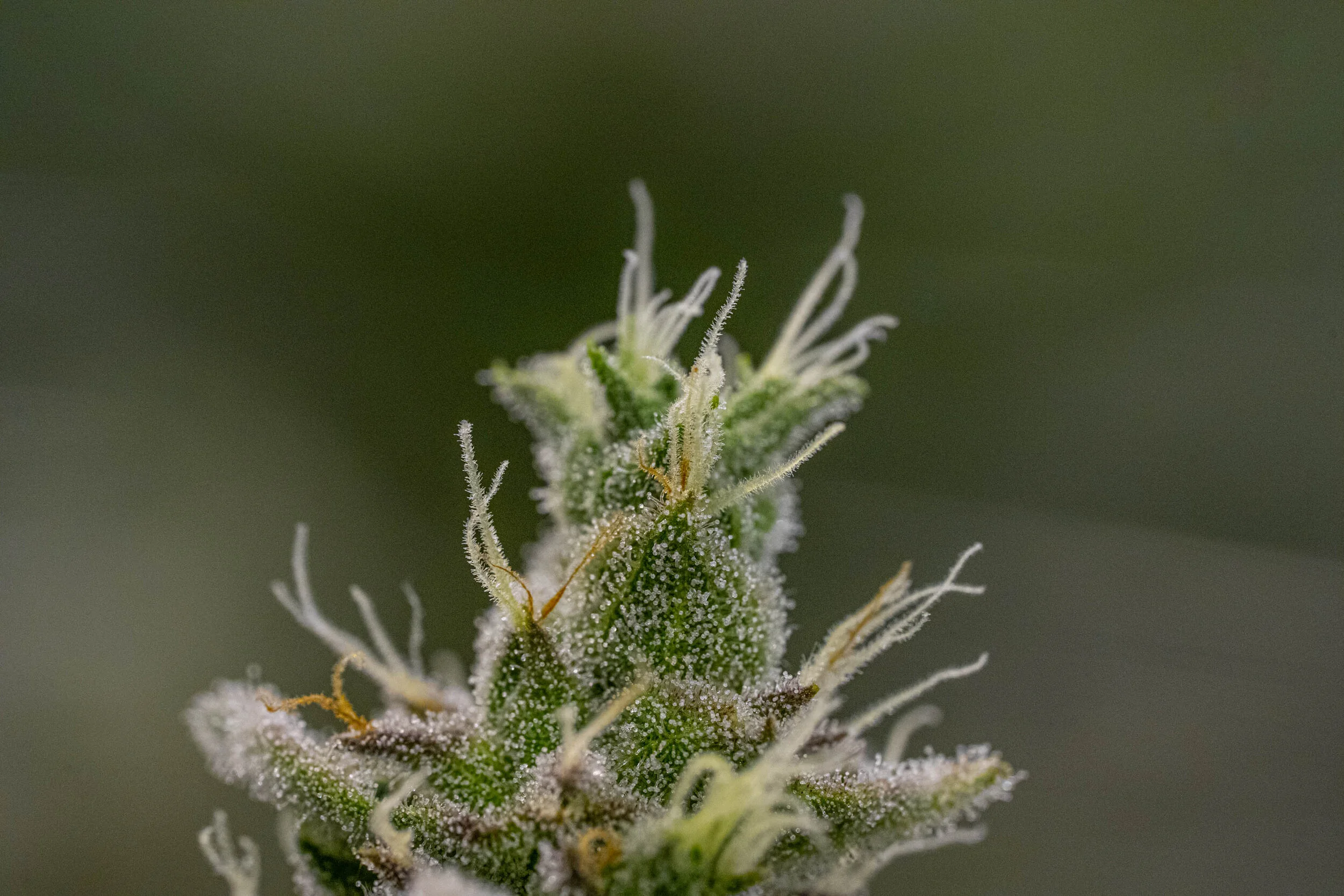
Trichomes are crystal-like resin glands that are the key producer of hundreds of known cannabinoids, terpenes, and flavonoids and a strong indication of high quality cannabis. They appear as crystallized or “frosty” and glisten in the light.
Using a magnifying glass or a jeweler's loop, one can inspect the trichome heads for their density/concentration, size, and colour. The more packed in the trichomes are on the plant, the more potent one can expect the flower to be. The size of the trichome heads or glands can also give the user an idea of how concentrated the cannabinoids and terpenes in the flower are. The larger the trichome glands, generally the more potent and flavourful the cannabis will be.
Finally, one can look at the colour of trichomes on the plant to determine if it was given enough time to ripen completely. Under ripe cannabis will appear to have clear trichome heads, ripe cannabis will appear to have milky white trichome heads, and over ripe cannabis will appear to have amber trichome heads.
Trim
The manicure of your bud matters and serves several purposes; revealing the structure and integrity of the flower, richer trichome concentration and a cleaner finished taste to your cannabis. The cut of the bud should only show the stem of the flower at the base, where it was attached to the plant. With that being said, over-trimmed bud can reduce its quality. Buds with obvious cuts and slashes into the flower could make the flower look discoloured and misshapen. When this occurs, trichomes can be broken or knocked off, resulting in less of those cannabinoids, terpenes and flavonoids on the bud. We are proud to say that we hand-trim finish our flower buds ensuring a high-quality finished product.
Burn
The colour of the ash burn could vary based on the papers that you’re using, to the soil that the plants were grown in or what the plant was fed during the growing process. To evaluate your ash, you can look for:
White Ash
A sign that you are consuming high-quality cannabis that has been treated properly throughout the growing process. White ash symbolizes a properly flushed, dried and cured product.
Salt and Pepper Ash
Salt and pepper ash is very common. It can occur if the bud has not been flushed or cured long enough, the flame or burn is not hot enough or your papers aren’t great quality. When combusting cannabis, focus on the consumption experience, look for buds that are gentle and flavourful and not harsh. The whiter the ash, the cleaner and smoother the experience.
Black Ash
Black ash can signify that the plant was not flushed to remove minerals, nitrates and pesticides during the growing process. If you notice your ash is black, you may want to reconsider the flower or paper that you are using.
Watch Outs
Mould
Identifying mould on your cannabis can be harder than you think. Two common types of mould include Powdery Mildew and Grey Mould (Botrytis).
Powdery Mildew
Powdery mildew resembles a light dusting on your leaves or buds. If you see it, it’s best to discard the buds to ensure you don’t consume it.
Grey Mould (Botrytis)
Grey mould develops inside your buds when there is too much moisture. To spot mould in your product, carefully inspect while you break apart buds; discard when you find it.
Mildew and mould can often be mistaken for trichomes, however, with a well-trained eye, they appear distinctly different. Trichomes look like secretions growing out of the plant, whereas anything resembling dust or webbing are signs of mould.
Seeds
Seeds in your cannabis are more common from outdoor grows and when burnt, will crackle and pop. While not ideal, don’t discount your bud just because there’s a seed or two in it. You never know, it could be the origins of the next great cannabis strain!
Bleaching
A bleached bud is caused by prolonged exposure to light and will have a white appearance. The excess heat degrades cannabinoids present, impacting the scent and taste of the bud, causing it to be less potent.